An estimated 28.8 million U.S. adults[1] could benefit from hearing aids. These remarkable devices amplify speech and other important sounds to help you connect to the people and world around you. Despite their many benefits, people are often hesitant to try hearing aids. A lot of that hesitancy stems from misunderstandings about how wearing hearing aids will impact their lives.
Let’s look at a few common hearing aid myths to help you take the leap into treatment.
Myth # 1: Hearing Aids are Bulky and Noticeable
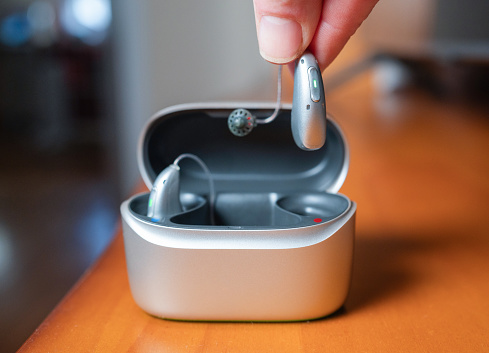
The idea that hearing aids are bulky and noticeable is one of the most pervasive myths out there. While hearing devices in the past have been bulky, modern versions are sleek, stylish and barely noticeable. Depending on your degree of hearing loss, you might even be able to wear an in-the-canal device that’s invisible from the outside.
Different manufacturers have different models and color choices—meaning you have a lot of latitude to decide which devices work best for your appearance preferences.
Myth #2: All Hearing Aids Are the Same
While many hearing aids look the same on the outside, each manufacturer offers their own technology. Depending on the devices you choose, you might have features including but not limited to:
- Bluetooth®
- AI sound processing
- Wind noise suppression
- Feedback suppression
- Fall detection
Your hearing aid specialist will go over the features of each of the devices we offer to help you pick the model with the technology that will bring you the greatest benefit. From there, we’ll take an earmold to ensure the perfect fit and program your devices to match your exact hearing profile.
Myth #3: Hearing Aids Don’t Work for Mild Hearing Loss
Mild hearing loss might not seem like a big deal, but it can make communication more challenging, lower your background awareness and even zap your energy.[2] Hearing aids can limit the side effects of hearing loss and help you stay connected.
Myth #4: Hearing Aids Don’t Work for Profound Hearing Loss
Just as many people think mild hearing loss doesn’t require hearing aids, many feel that listening devices won’t help someone with profound hearing loss. While it’s true that hearing aids can’t restore perfect hearing, they’re an important tool in keeping you aware of your surroundings when you have profound hearing loss that would otherwise muffle sounds like sirens and fire alarms.
If you’ve been considering hearing aids but haven’t made an appointment yet, call our specialists at Ear, Nose & Throat Consultants to schedule your treatment consultation.
[1] National Institute on Deafness and Other Communication Disorders. (2024). Quick statistics about hearing, balance, & dizziness. National Institutes of Health. https://www.nidcd.nih.gov/health/statistics/quick-statistics-hearing [nidcd.nih.gov]
[2] American Academy of Audiology. (n.d.). Fatigue. American Academy of Audiology. https://www.audiology.org/consumers-and-patients/hearing-and-balance/fatigue/