-
How to Adjust to Hearing Your Own Voice with Hearing Aids
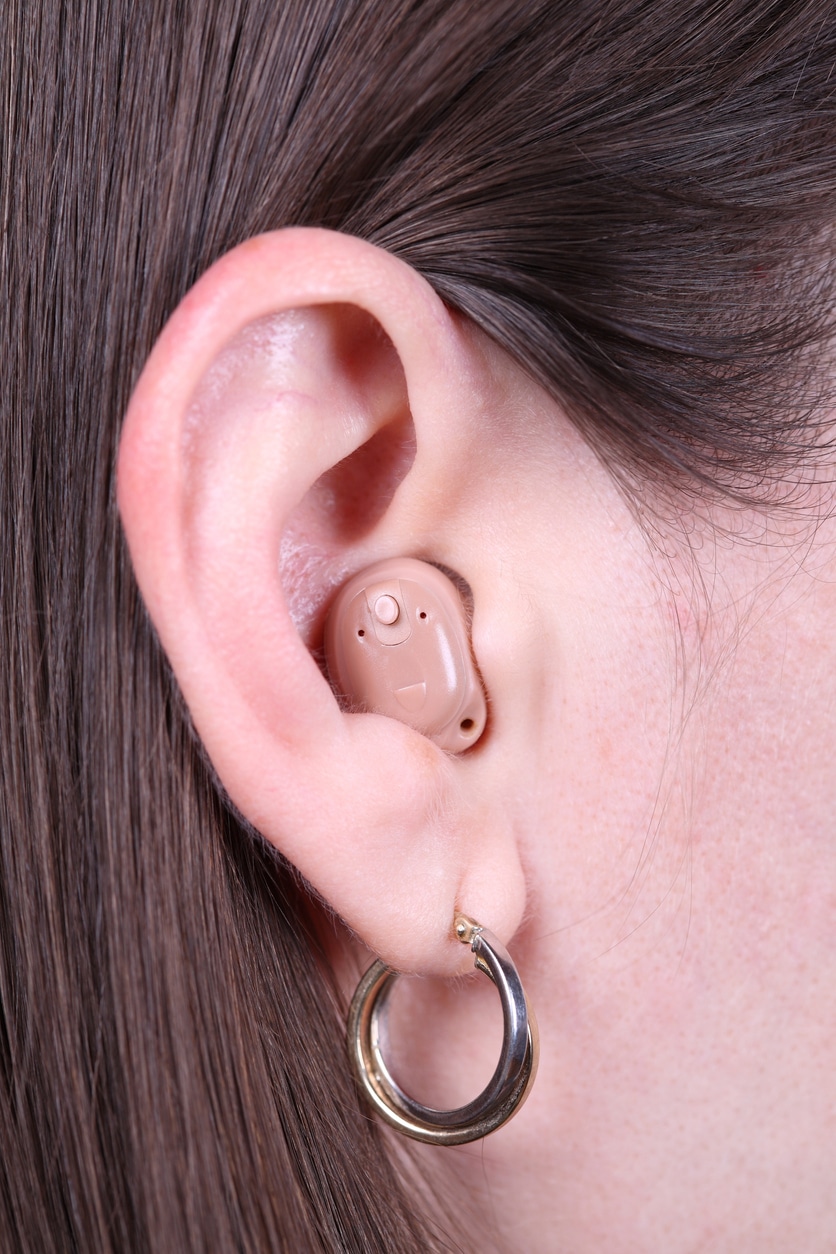
If you’re new to hearing aids, there’s a lot you have to learn, including how to get used to the sound of your own voice. In fact, according to one study published in Trends in…
-
A Guide To Hearing Aid Controls

Hearing aids can be a game-changing investment for people with hearing loss. They can give you renewed confidence in your ability to communicate with others and navigate through the world and can even benefit your…
-
Learn About the History of the Hearing Aid for Audiology Awareness Month

Hearing aids are an incredibly popular and life-changing device. In 2019, the Centers for Disease Control and Prevention found that 7.1% of the population aged 45 and over used a hearing aid. Modern hearing aids…
-
Get into the Spooky Spirit with Hearing Aids

Halloween is approaching quickly, which means it is time to start thinking about what costume you’re going to be wearing. If you use hearing aids, you may even consider making them part of your costume…
-
What Is Cookie Bite Hearing Loss?
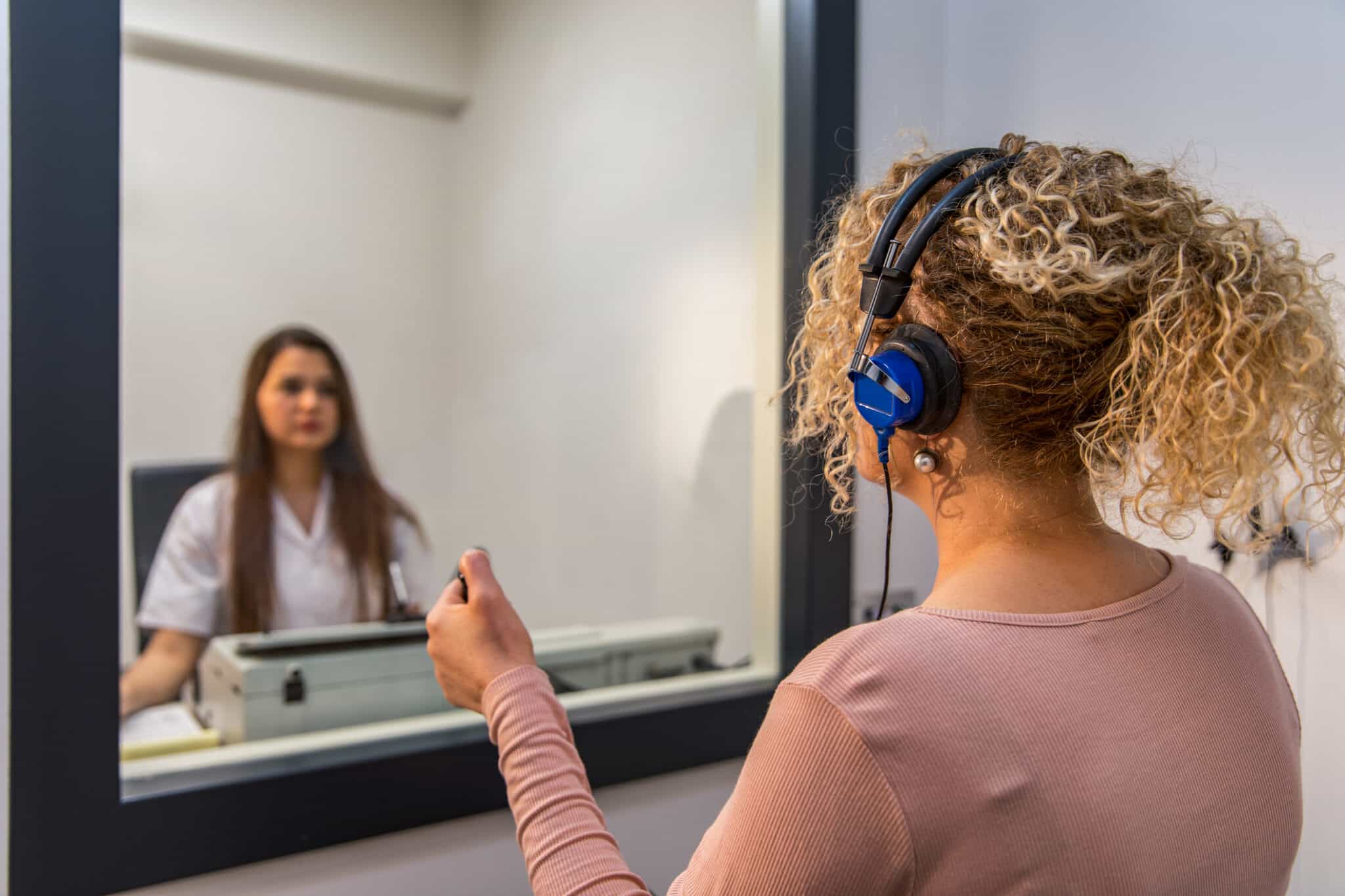
Despite the name, cookie bite hearing loss does not occur after a particularly loud bite of snickerdoodle from The Sugar Shack Bakery. Instead, it gets its name by the U-shape it creates on an audiogram,…
-
What Should I Do if I Don’t Like My Hearing Aids?

If you’ve recently decided to try hearing aids and are finding that you don’t like using them, don’t fear. There are many common issues that first-time hearing aid users face that have simple solutions to…
-
How to Enjoy a Day on the Beach with Hearing Aids

Is there any summer activity more refreshing and relaxing than traveling to the beach? If you’re headed somewhere tropical this summer and you’re one of the 16% of adults ages 20 to 69 who wears…
-
Four Tips for Dining Out With Hearing Loss

The bustle and background noise of places like Horizon’s Restaurant can make dining out a challenge for people with hearing loss. Thankfully, there are several ways to help yourself hear better and enjoy your dining…
-
What Is Mixed Hearing Loss & How Is It Treated?

If you’re one of the 48 million Americans with hearing loss, it’s important to seek treatment right away. Left untreated, hearing loss is associated with anxiety, depression, falls and even dementia. If you have a…
-
Understanding the Results of Your Hearing Test

Hearing loss is a common condition that gets more likely as we age. If you’ve noticed that you’re having to turn up the television louder than usual or that conversations are harder to follow when…