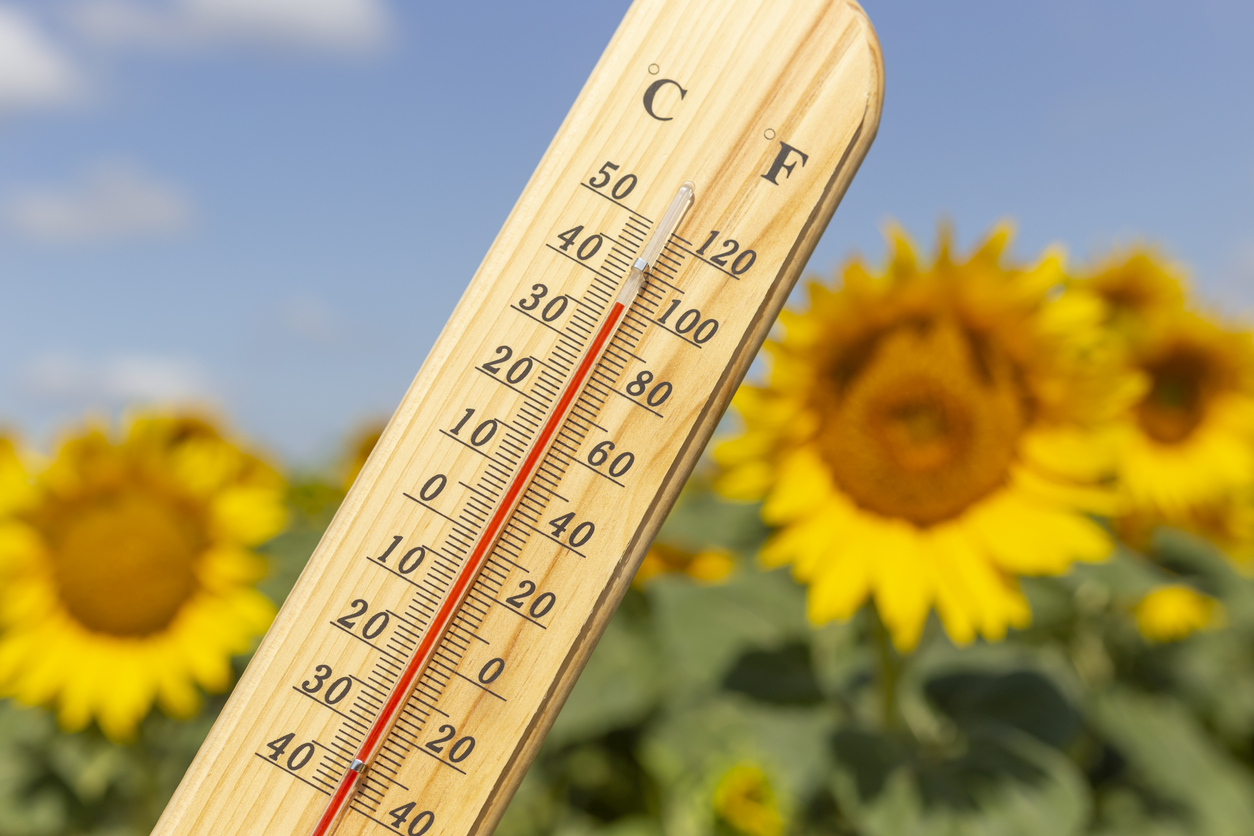
The temperature around Dakota Dunes is steadily creeping upwards. While those 90-degree days mean the ice cream truck is making a few more rounds and the pools are opening for business, they also mean extra sweat. Unfortunately, extra sweat can make your hearing aids feel hot, sticky and uncomfortable.
If you’re among the 15% of U.S. adults with hearing loss, keep hearing aid care top of mind this summer.[1]
Caring for Your Devices
Hearing aids are designed to last, but they still need to be treated with care. Built-up sweat and other dirt can interfere with sound quality, causing whistling or low volume, creating a perfect environment for bacteria to thrive and making your devices slide out of their proper positions in your ears.
To prevent discomfort or infection, you will need to clean your hearing aids nightly. Using a cleaning kit, take the following steps:
- Wipe down your devices with a clean, dry cloth
- Use a wax brush and pick to remove debris from the cracks and crevices of your hearing aids
- If applicable, remove tubing and earmolds and wash them in warm, soapy water; let them dry completely before re-attaching them to your hearing aids
- Run a vent cleaner through vents
- Change wax filters if necessary
After you clean your devices, it’s time to remove moisture.
The Importance of Drying Your Hearing Aids
Moisture can slowly erode the delicate components of your hearing aids. During sweaty summer days, your devices can accumulate moisture without you even realizing it. To keep your hearing aids functioning well, dry them using an electric hearing aid dryer or a drying jar filled with desiccating beads.
How often you dry your devices depends on how much moisture they encounter. If you spend a lot of time hiking South Dakota’s many trails on hot days, you might want to dry your devices nightly. If you spend most days in the cool air conditioning, dry your hearing aids every week or so.
Schedule a Hearing Aid Service Appointment
In addition to daily maintenance, bi-yearly service appointments will keep your hearing aids in tip-top shape. Contact Ear, Nose & Throat Consultants to schedule your service appointment.
[1] National Institute on Deafness and Other Communication Disorders. (n.d.). Quick statistics about hearing. U.S. Department of Health and Human Services. https://www.nidcd.nih.gov/health/statistics/quick-statistics-hearing